
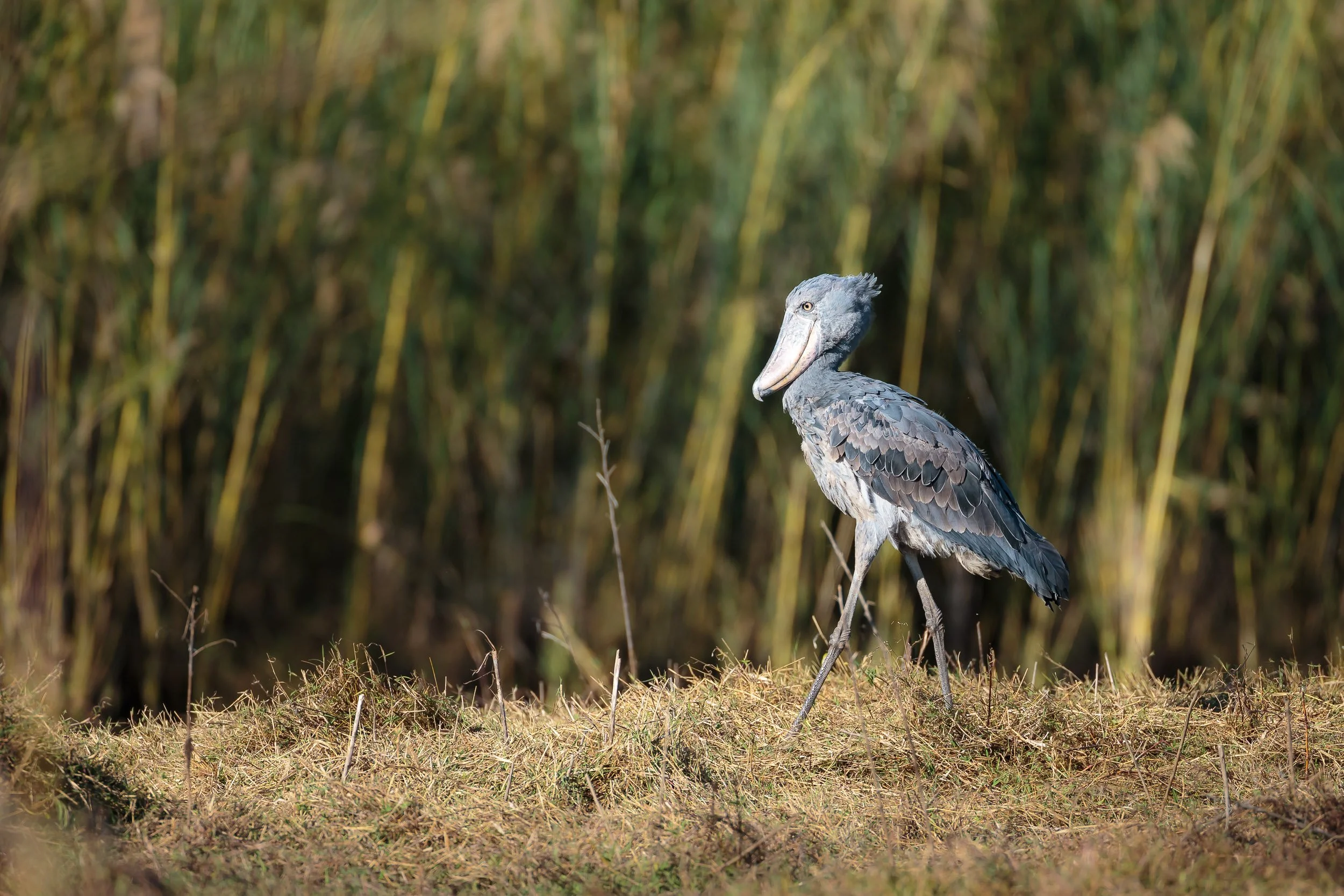
Welcome to Zambia’s Home
of Bird Conservation.
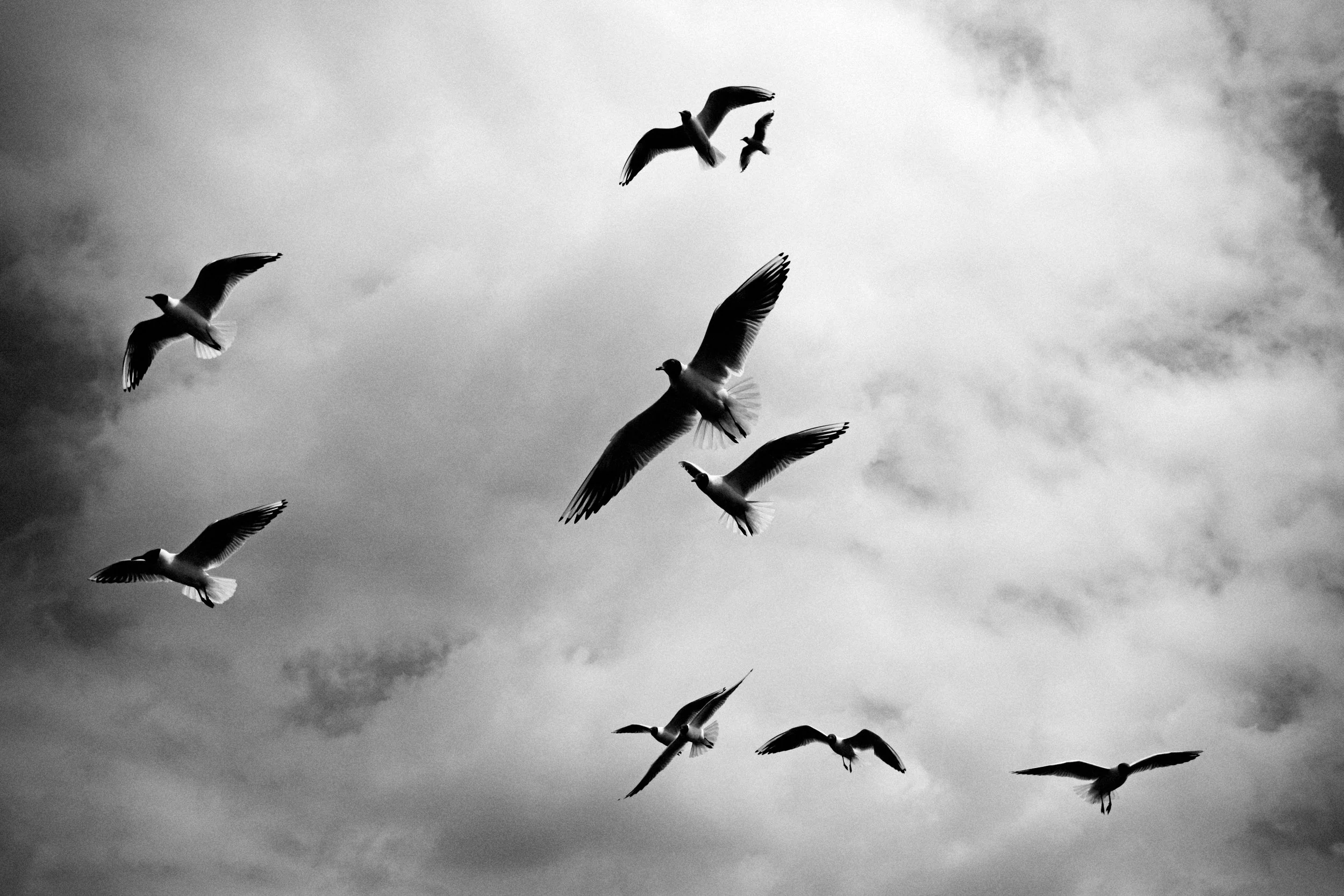
Birds are more than just beautiful creatures — they are vital indicators of environmental health. The diversity and abundance of bird species in an area reflect the overall state of its ecosystems, from forests and wetlands to grasslands and rivers. Their presence (or absence) often provides the first warning signs of ecological change, making them crucial for monitoring and protecting biodiversity.
Beyond their ecological role, birds enrich our lives with their songs, behaviours, and striking plumage, inspiring culture, art, and tourism around the world. By conserving birds, we not only safeguard these remarkable species but also help protect the natural systems that support all life, including our own.
Why Birds?
About BirdWatch Zambia
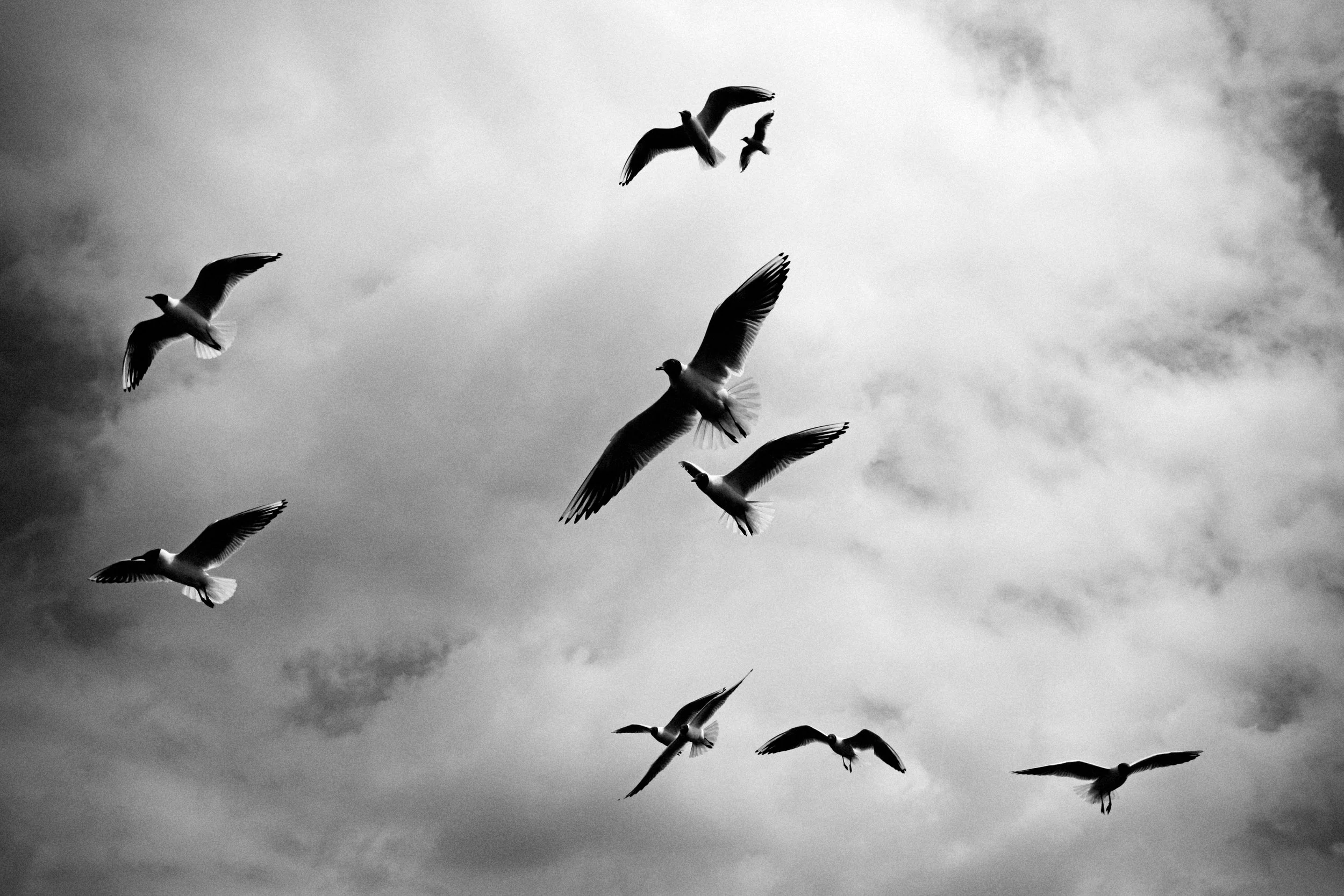
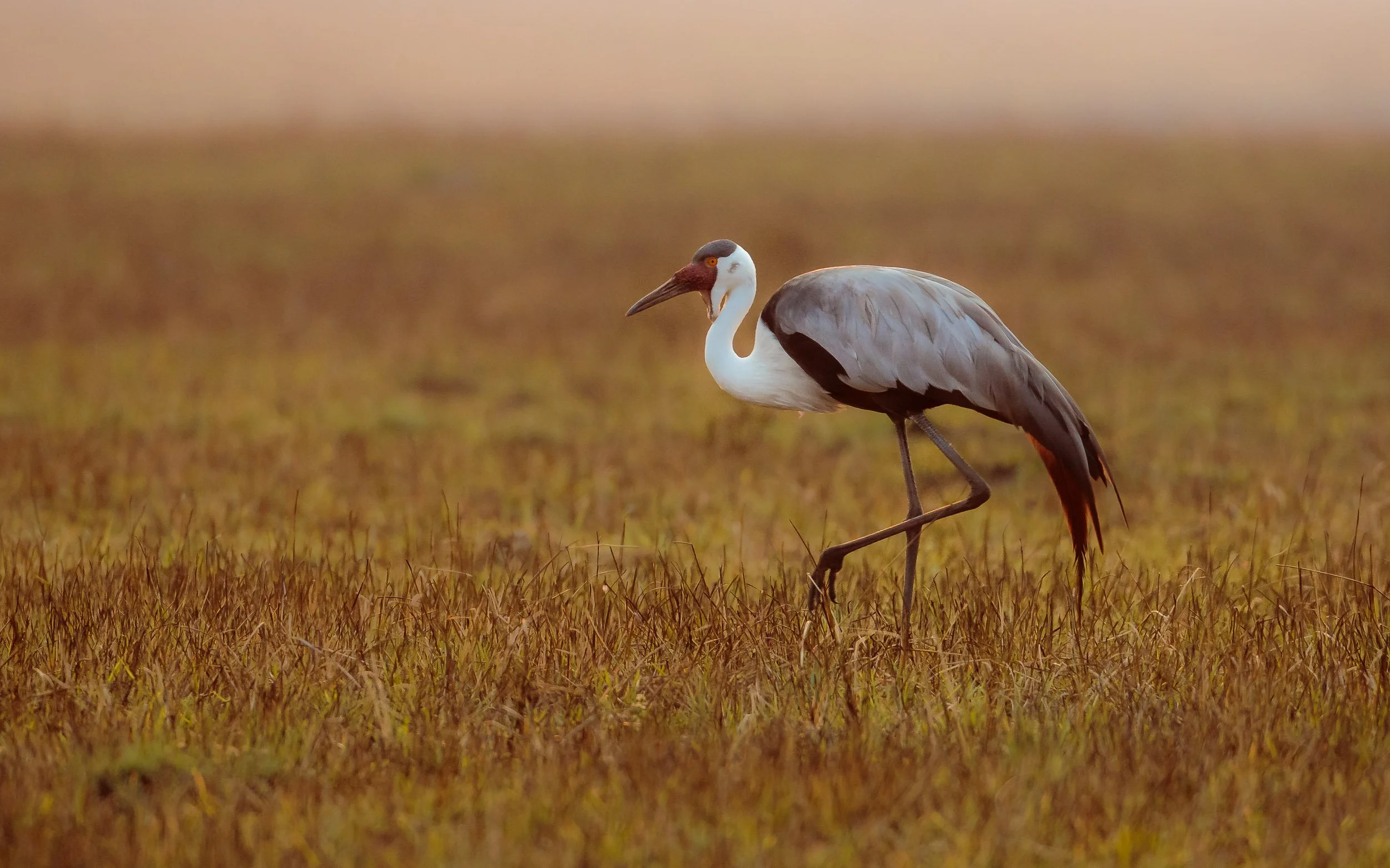
We take necessary action to protect Zambia’s bird species, using science-based monitoring to understand their status, identify threats, and guide effective conservation responses. Our work extends across key sites—IBAs and KBAs—where we collect vital ecological data that informs land-use decisions, supports habitat restoration, and ensures that the country’s most important landscapes remain intact for future generations.
At the heart of our approach is people. We actively engage rural communities through awareness campaigns, conservation education, and livelihood initiatives that highlight the deep connection between healthy ecosystems and human wellbeing. By promoting sustainable practices, empowering local stewardship, and creating nature-friendly economic opportunities, we strengthen the link between biodiversity conservation and improved livelihoods.
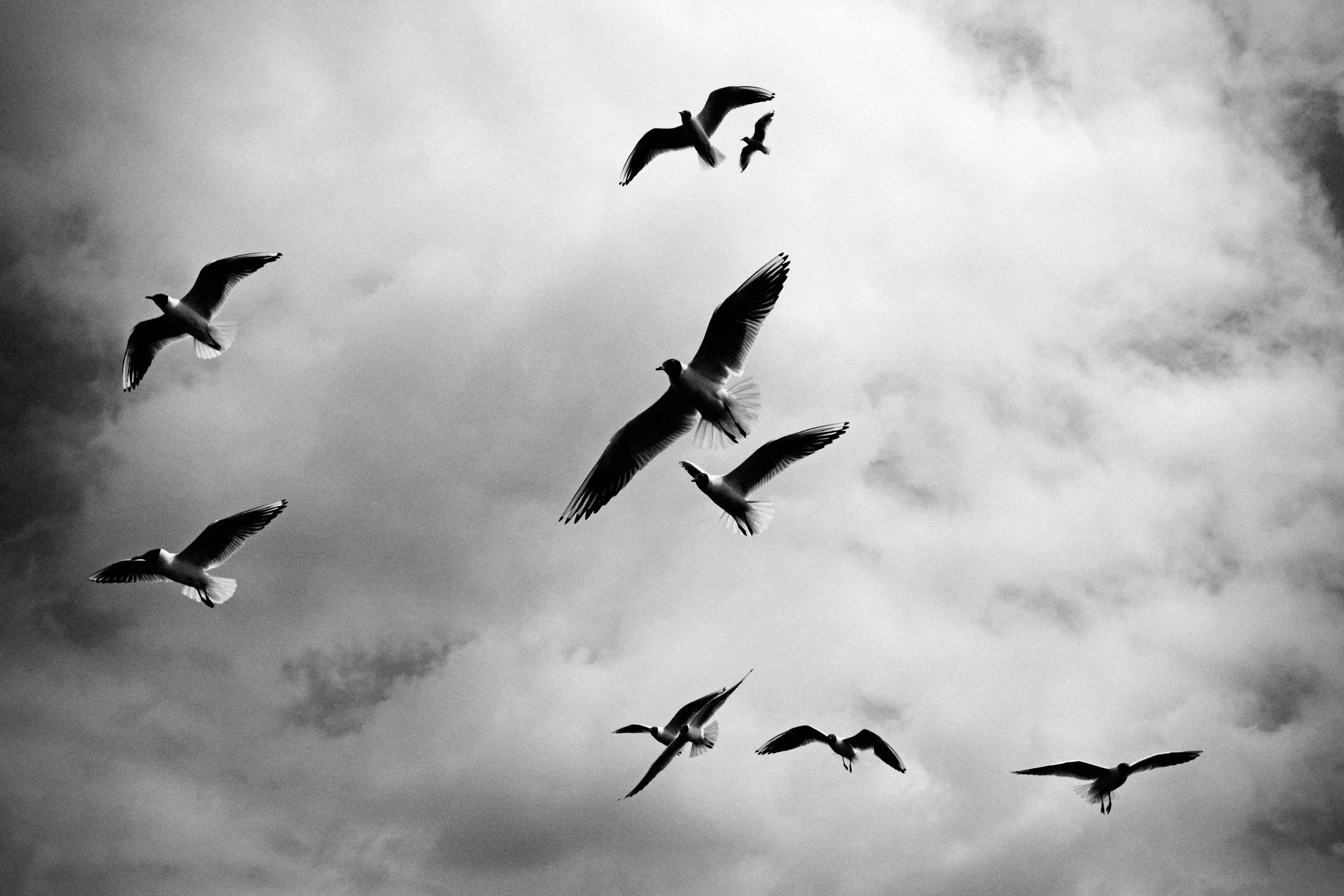
Our Work
Our work emphasizes the vital connection between species, habitats, society, and systems—recognizing that the health of birds and other wildlife is deeply tied to the wellbeing of people and the landscapes we share. By protecting natural environments, we not only safeguard biodiversity but also strengthen communities and preserve cultural heritage, and ensure that future generations inherit thriving ecosystems.
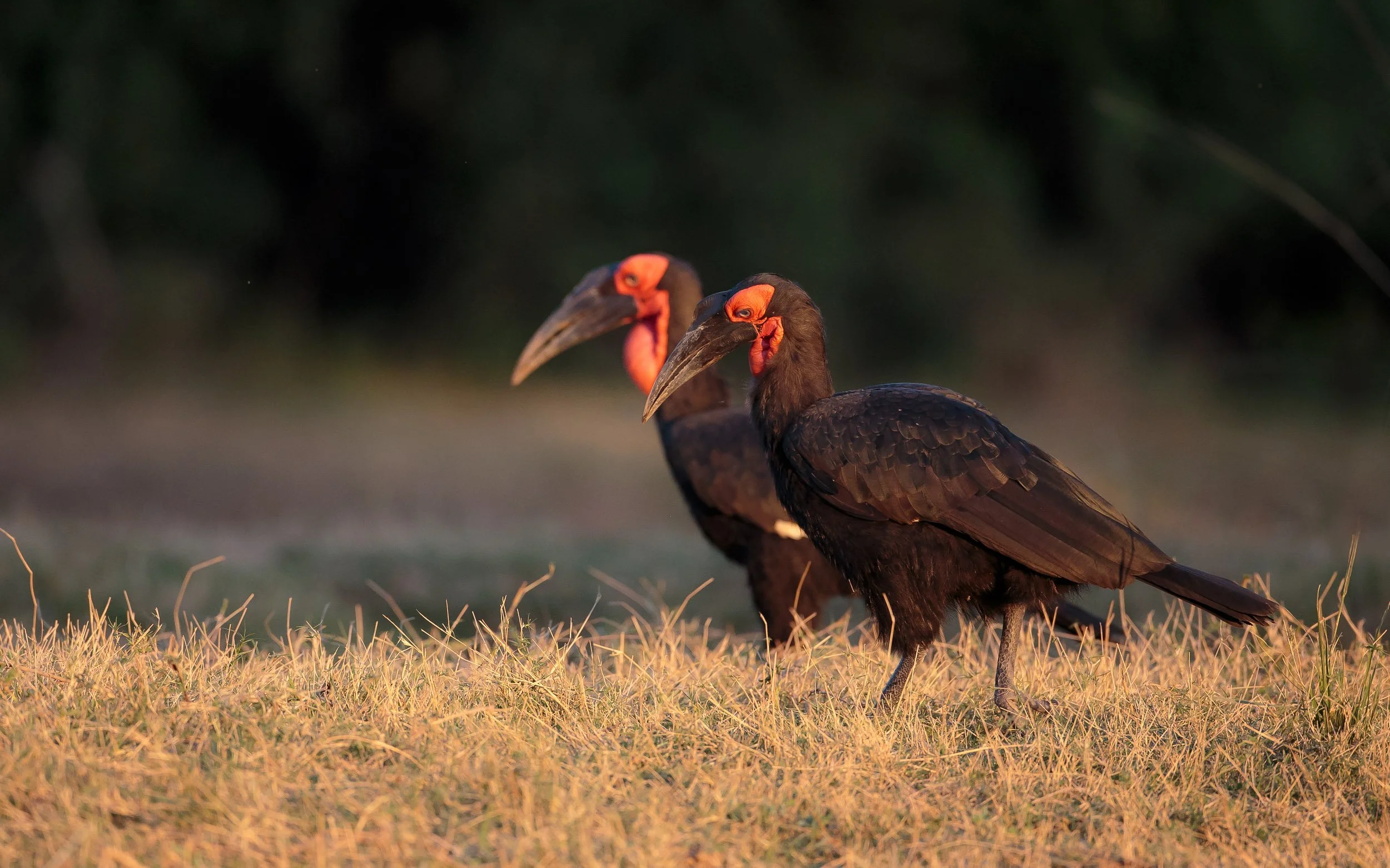
SPECIES
Research and monitoring of Zambian bird species
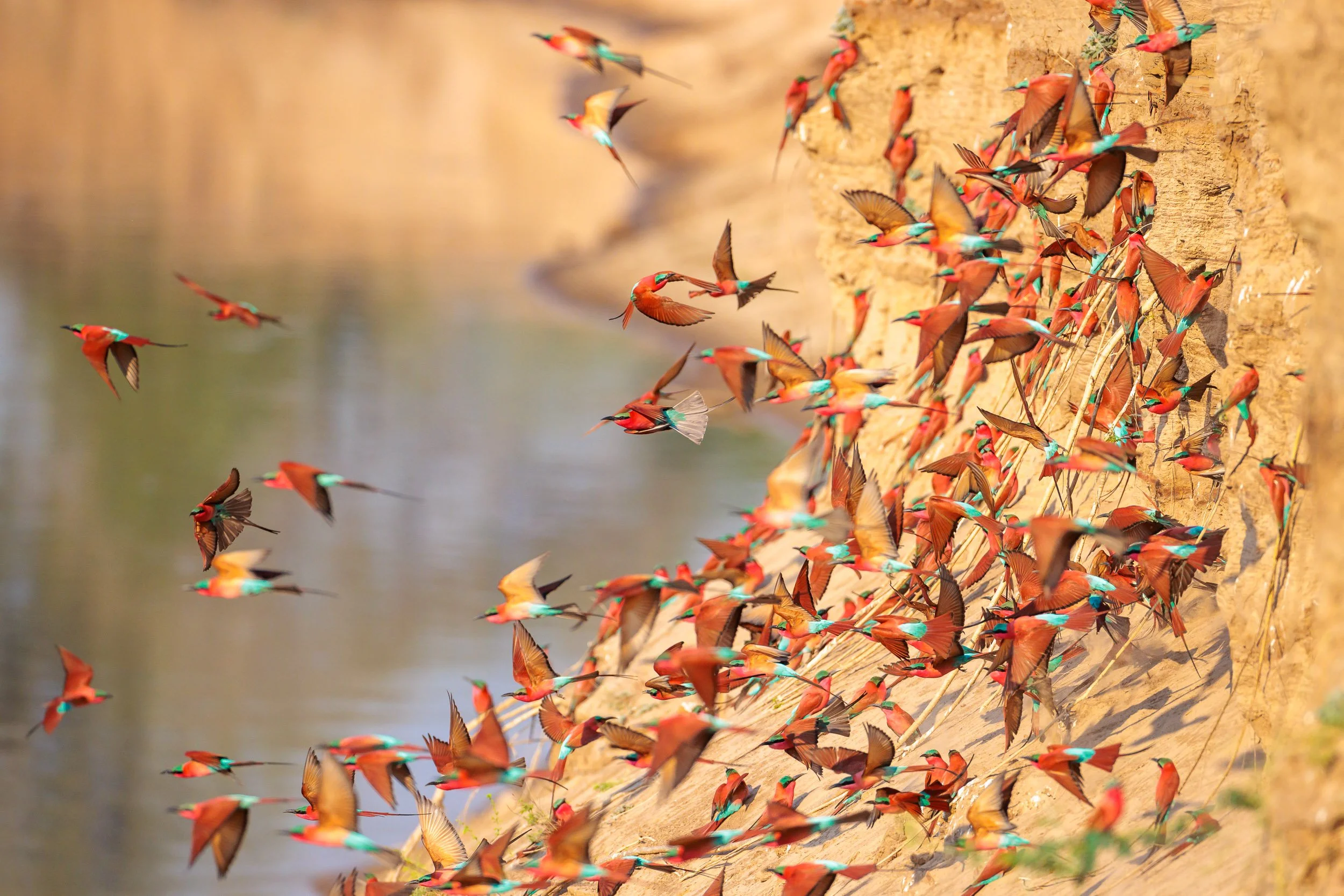
SITES
Conservation of crucial habitats and ecosystems.
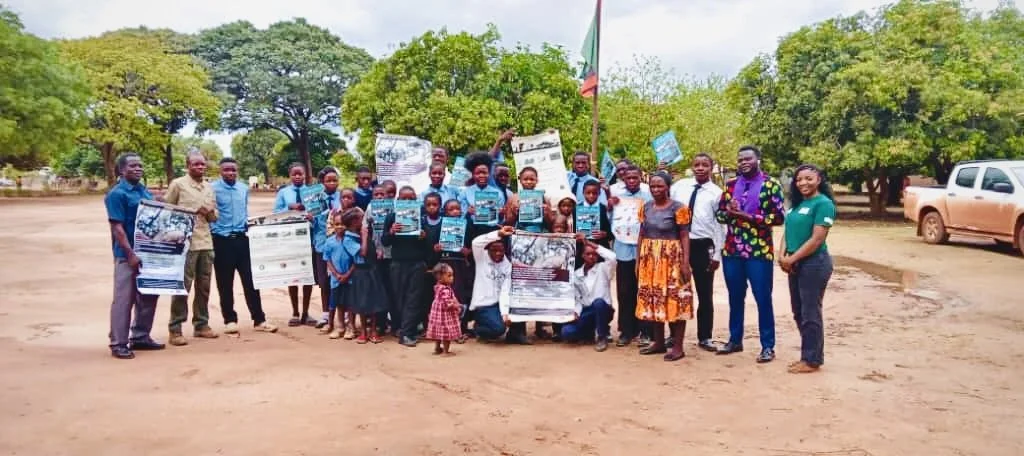
SOCIETY
Engaging local communities in conservation efforts.
SYSTEMS
Lobbying and advocating for sustainable practices for biodiversity conservation.
Where We Work
Our work focuses on forty-two (42) Important Bird and Biodiversity Areas (IBAs) — now recognised globally as Key Biodiversity Areas (KBAs). These sites are the most vital places for safeguarding Zambia’s unique birdlife, ecosystems, and threatened species.
From wetlands and forest reserves to river systems and miombo woodlands, each KBA plays a critical role in protecting habitats that support both resident and migratory birds, as well as countless other forms of wildlife.

Explore Site
Through research, monitoring, community engagement, and conservation action, BirdWatch Zambia works to ensure these landscapes remain healthy, resilient, and thriving for generations to come.
Explore Zambia’s Key Biodiversity Areas (KBAs) and discover why they matter — for birds, for wildlife, and for all of us who depend on nature.
Every contribution to Birdwatch Zambia plays a vital role in protecting wildlife, preserving critical habitats, and supporting conservation efforts that benefit both people and nature.
At this time, we’re unable to process donations through an online “Donate Now” button. However, donations are still very welcome and can be made through alternative arrangements.
If you would like to support our work, please contact us to donate, and our team will be happy to assist you with the available options. Your generosity helps ensure that our conservation, research, and education initiatives across Zambia can continue to grow and make a lasting impact.